Why Counterfeit Yeezy Merch Floods the Market
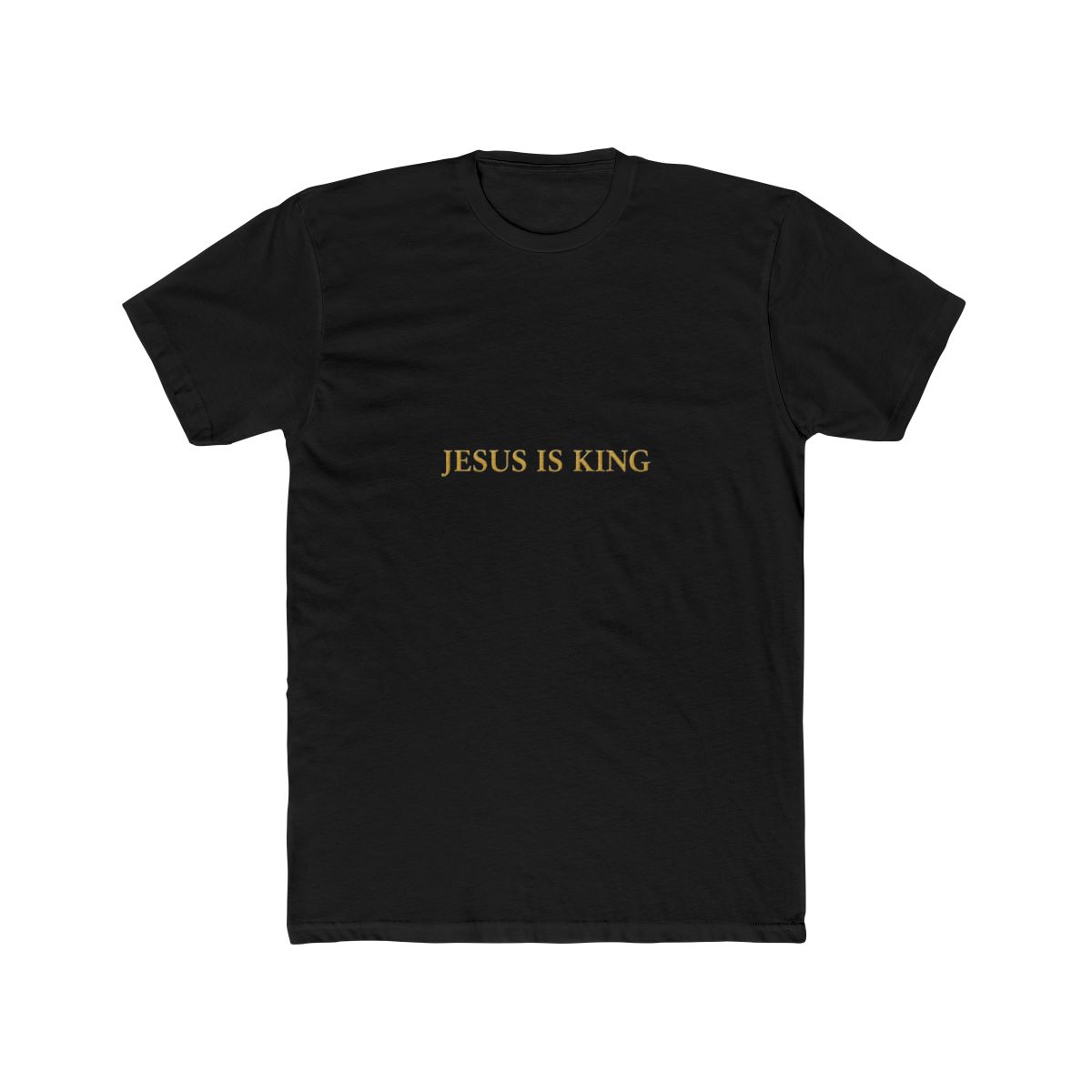
The demand for Yeezy and Kanye West merchandise is immense, and scarcity is by design. When limited drops sell out in minutes, resale prices skyrocket, creating a perfect environment for counterfeiters. The profit margins on fake Yeezy merch are massive - a $15 blank screenprinted with a poor imitation of a "Jesus Is King" logo can sell for $100+ to an unsuspecting buyer. The problem has grown as counterfeiting operations become more sophisticated, using higher quality blanks and even replicating factory tags with disturbing accuracy.
Beyond pure profit, there is a cultural aspect. Wearing Yeezy merch is a status symbol within the fashion and music community. Counterfeiters tap into the desire of fans who missed out on drops, offering them a way to participate in the culture at a lower price point. But buying fake merch hurts the artist, the brand, and the collector community. It devalues the real products and funds unethical operations. Understanding why fakes exist is the first step to avoiding them. As a collector, your vigilance protects the integrity of the culture.
Examining Tags and Labels: Stitching and Fonts
Start with the neck tag. On authentic Kanye West merch, the tag will be a specific brand depending on the era. For example, Yeezus tour merch used Gildan Heavy Cotton tags, while Life of Pablo merch often used independent or Alstyle blanks. The font on the tag should be crisp, not fuzzy. The stitching should be tight and even, with no loose threads. Counterfeit tags often have misaligned text, wrong kerning, or a font that is slightly off - the "K" in "Kanye" might be too thin, or the spacing between letters is inconsistent.
Check the size label as well. Authentic tags have a specific feel - they are woven, not printed. The size (S, M, L, XL) should be in a consistent font with the brand. On some fakes, the size label is a cheap heat transfer that peels or looks glossy. Also, look for the country of origin. Many authentic pieces are made in the USA, Haiti, or Nicaragua. If it says "Made in China" on a piece that typically isn't, that is a red flag. However, some official blanks are made in China, so use this as one of many checks.
Fabric and Print Quality: What Real vs. Fake Feels Like
The feel of the garment is crucial. Authentic Yeezy blanks are often heavier weight cotton, especially for tour merch. A Yeezus tour tee should feel thick and substantial, not flimsy. The inside of the shirt should be smooth, not rough. After washing, authentic merch holds its shape and color. Fakes use cheaper cotton that pills, shrinks, or loses color quickly. The print on authentic items is typically screenprinted with a soft hand - the ink becomes part of the fabric, not sitting on top like a sticker. Fakes often use vinyl or digital transfers that crack and peel after a few washes.
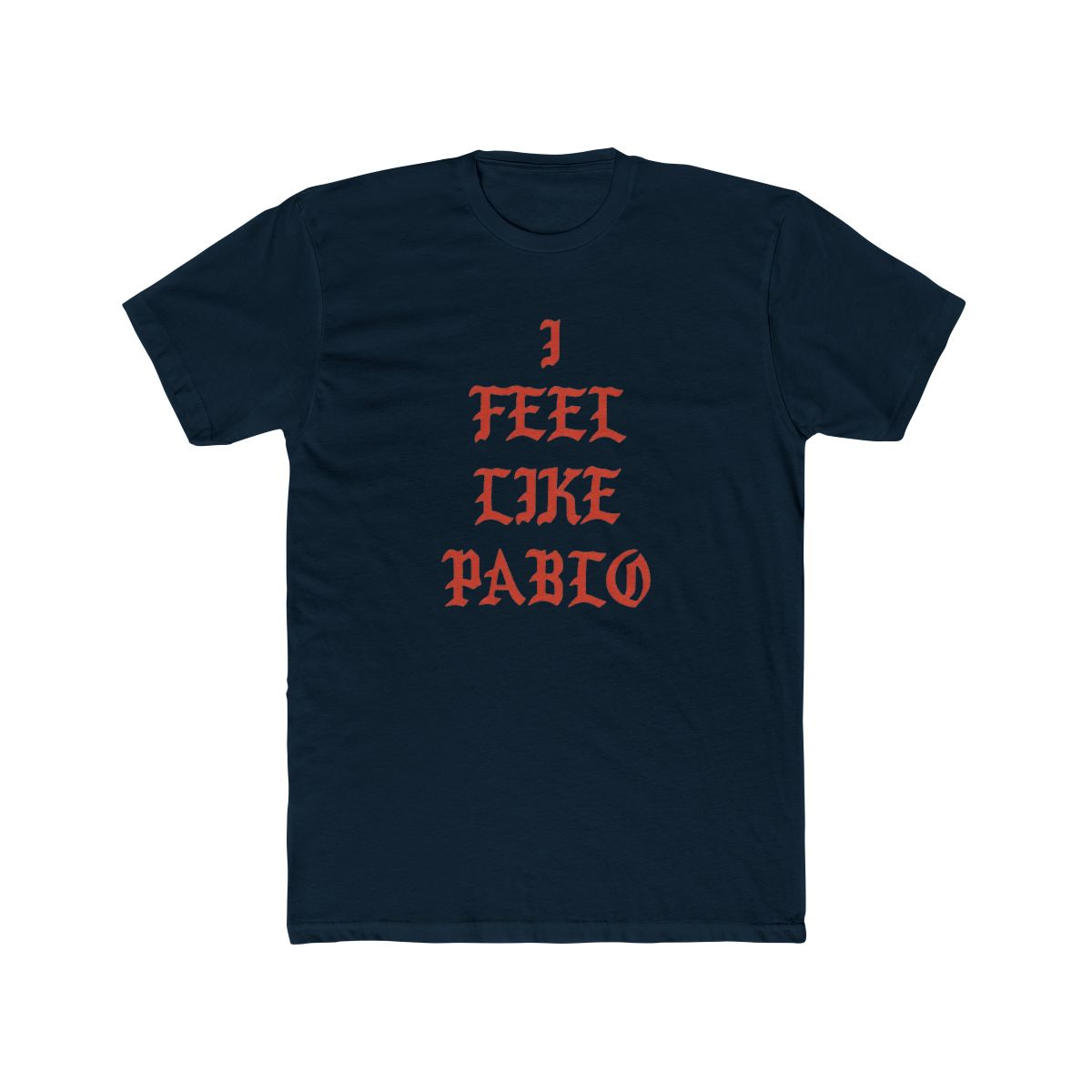
Pay attention to the design itself. Counterfeiters often get the proportions wrong. For example, the "Pablo" logo on Life of Pablo merch has a specific curvature and thickness. On fakes, the letters might be too bold or too thin, or the gap between "L" and "I" is off. The colors are another giveaway. Official Yeezy pieces use precise Pantone shades. The yellow on the "Sunday Service" hoodie is a particular mustard, not a bright yellow. If you have access to an authentic piece, compare side by side. The difference in black shades is also telling - real blanks are a deep, rich black, while fakes are often a faded grayish black.
Packaging and Accessories: Red Flags to Watch For
Not all Yeezy merch comes with packaging, but when it does, it can help authenticate. For example, limited edition items like the Yeezy Season clothing line come with specific tags, plastic bags, and even authenticity cards. The plastic bag might have a subtle texture or a specific font. The cardboard tags should be thick and crisp, with matching fonts to the garment. If the packaging feels flimsy, has typos, or uses a different logo than official releases, be wary.
Some items, like the Yeezy 350 Boost sneakers, have detailed packaging with tissue paper, extra laces, and a specific box shape. While this guide focuses on apparel, similar principles apply. For collectible pieces like the "Graduation" bear merch or the Kids See Ghosts hoodie, look for the correct hang tags. Many fakes skip the tags entirely or use generic ones. Also, if a piece is sold as "new with tags," but the tags are attached with a plastic zip tie instead of a string, that is a red flag for many official pieces.
Where to Buy: Official Store vs. Resellers
The safest way to avoid fakes is to buy directly from the official Kanye West merch store or at concerts. When products drop on the official site, you know they are authentic. However, many drops sell out instantly, forcing fans to the resale market. If you buy from resellers, stick to reputable platforms like StockX, Stadium Goods, or Grailed, which have authentication processes. But even these can be fooled, so learn to authenticate yourself.
Avoid buying from individuals on eBay, Depop, or social media without thorough vetting. Look for sellers with high reviews and photos of the actual item (not stock photos). Ask for photos of the tags, both inside and out, and the print up close. A legitimate seller will have no problem providing these. If they refuse or give excuses, walk away. The price is also a clue: if it sounds too good to be true, it likely is. A "brand new with tags" Yeezus tour tee for $50 is almost certainly fake.
When in Doubt: Authenticating with Community Forums
The Kanye West fan community is active and knowledgeable. Places like the r/Kanye subreddit, the KanyeToThe forums, and Facebook groups dedicated to Yeezy collectibles have authentication threads where you can post photos and get opinions from experienced collectors. The key is to take clear photos of the front and back of the garment, the tags (front and back), and any packaging. Include close-ups of the print and stitching. The community will point out specific tells that may not be in any guide.
When posting for authentication, be transparent about where you bought it and what you suspect. Do not take offense if they call it fake - it is better to know before you buy. Many collectors have been burned and are willing to help. Share your findings to help others. As the counterfeiters improve their game, community knowledge becomes the best defense. Always trust your gut: if something feels off about the fabric, the print, or the seller, do not buy.